The Principal Reads

There is a familiar excitement in the air and the school is filled with students and staff who are optimistic about the coming year.

If you are an educator, you know the feeling well and it never gets old.

I am beginning this year similar to how I have the past three - sharing a book with each class.  Scheduling time to read to each class gives me the opportunity to get to know our new students, give teachers a brief break from teaching during the exhausting first weeks of school, set the expectation for when I enter classrooms, and, most importantly, share my love of books.

Literacy has been the focus in our division for a year now and we are happily kicking that into high gear at CES.  Sharing a love of books and reading aloud to students is an easy way administrators can model the importance of enjoying a good book.

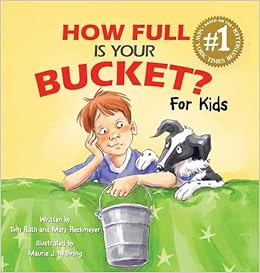
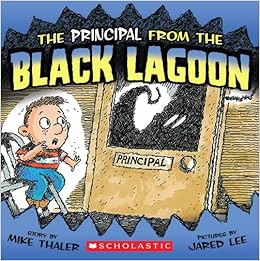
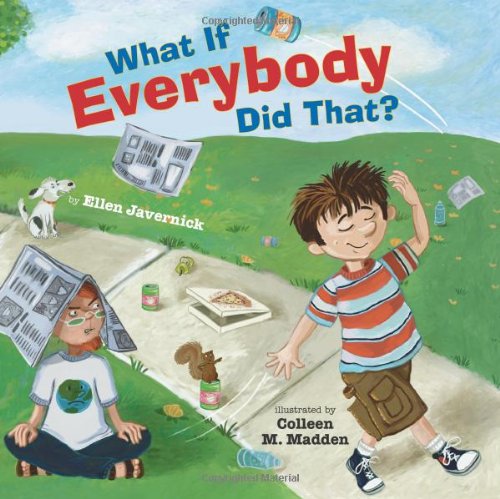
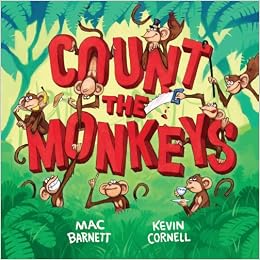
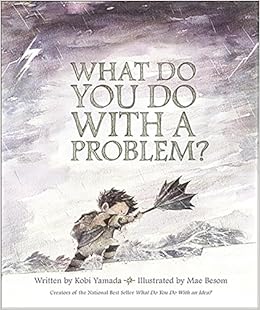
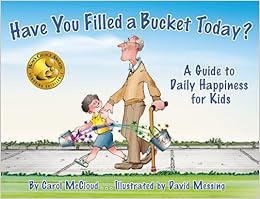
A few of my favorite beginning of the year reads are:


What are your favorite beginning of the year reads?

Comments

Popular posts from this blog

The Well-Balanced Teacher

Welcome to our virtual book study of Mike Anderson's, The Well-Balanced Teacher .  As the end of the year craziness sets in, this book will be a nice way to keep us focused on working smarter as well as finishing up our staff development for 2015-2016. Each reading selection will have a discussion question as well as suggestions for activities you can try.  To earn the hour of staff development you should a) read the selection and b) comment on the post below with your thoughts on the discussion question or results from one of the suggested activities. Chapters 1-2 Discussion How would your students benefit from an improvement in your physical or emotional health? Chapters 1-2 Suggested Activities For two weeks, keep a log of everything you eat and drink. (See a sample day from my own food log below.) Examine your results. What's one way you could make your diet a little healthier? Make a meal plan for your upcoming week. Actually record the meals and snacks yo...

WBT Chapter 3: Belonging

Excellent discussion on the first two chapters of the book.  We will try to post every Monday, giving you one week to read and respond.  Remember to add your name so that you can receive credit! Discussion/Reflection Questions: What is the collegial atmosphere of your school like? What's your personal sense of belonging like at your school? How has that changed over time? How connected are you with administration? If it could be better, what would that look, sound, and feel like? What are some ways that could happen? How well do teachers connect with students at your school? How well do you know your students? How do you balance knowing your students and making positive connections with keeping a professional working relationship with them? How well do you know the families of your students? How well do they know you? How can connecting with families help your students learn more? What kinds of connections do you have with the educational community beyond your class...

What does it mean to be a connected educator?

October is Connected Educator Month (#cem16) and if you are here, you are probably participating in our Connected Educator Tic-Tac-Toe Challenge.  :) What does it mean to be a connected educator?  This might be a loaded question... The above quote defines the term 'connected educator' for me.  The world we now live in is more connected than at any time in the past and we are less connected now than we will be at any time in the future.  If we are preparing our students today for successful tomorrow's, we must reach past the walls of our schools and lines of our districts. Social media has connected us in ways we never thought possible.  While arguably some choose to use these tools in unhealthy ways, the possibilities for connecting classrooms to the real world are endless.  No longer do we need to rely on only a textbook! What amazing times we live in!  What does the term 'connected educator' mean to you?